ZOMBY'S VAPORWAVE TROLLING
Gallery
Click to expand. Place img1.jpg, img2.jpg, img3.jpg next to index.html.
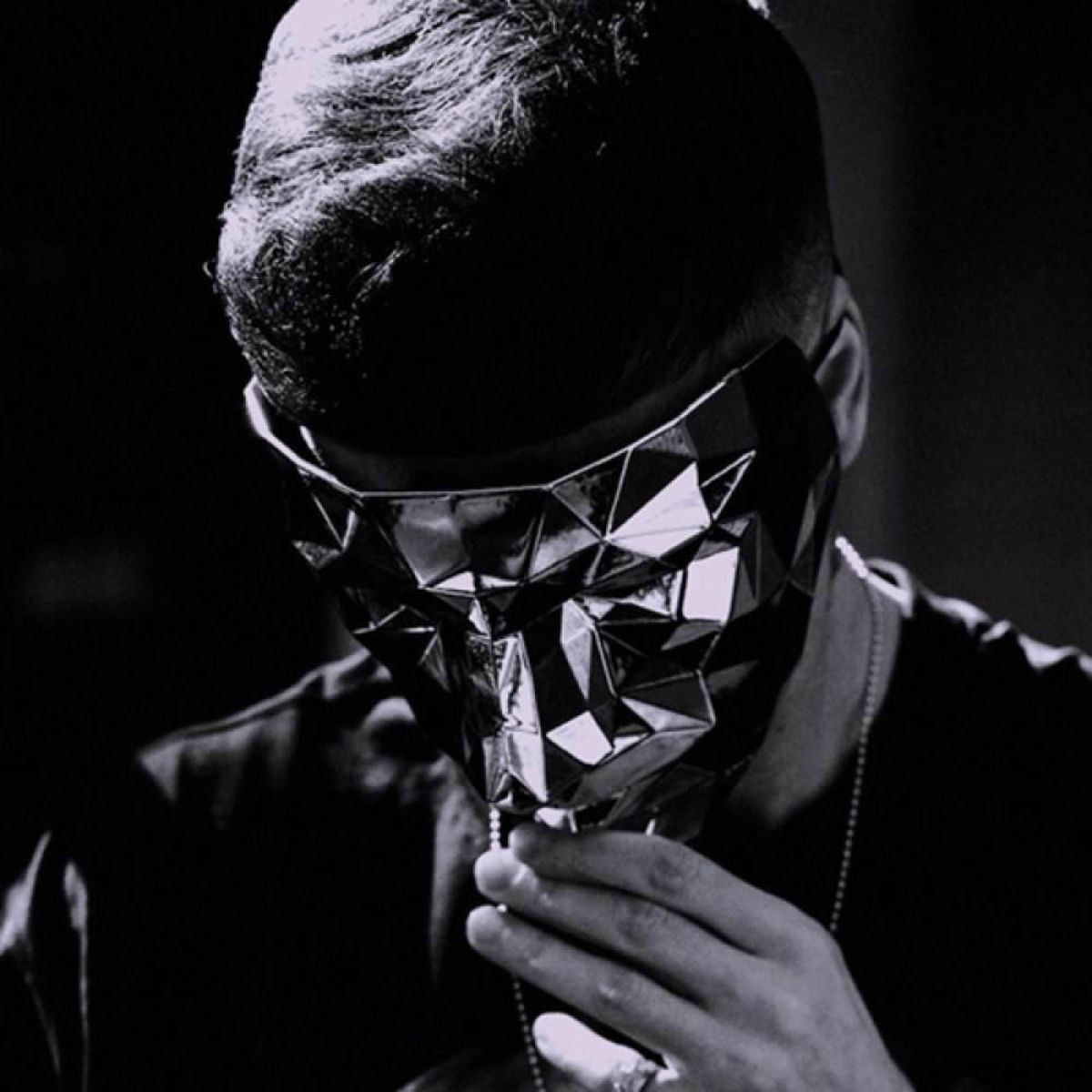
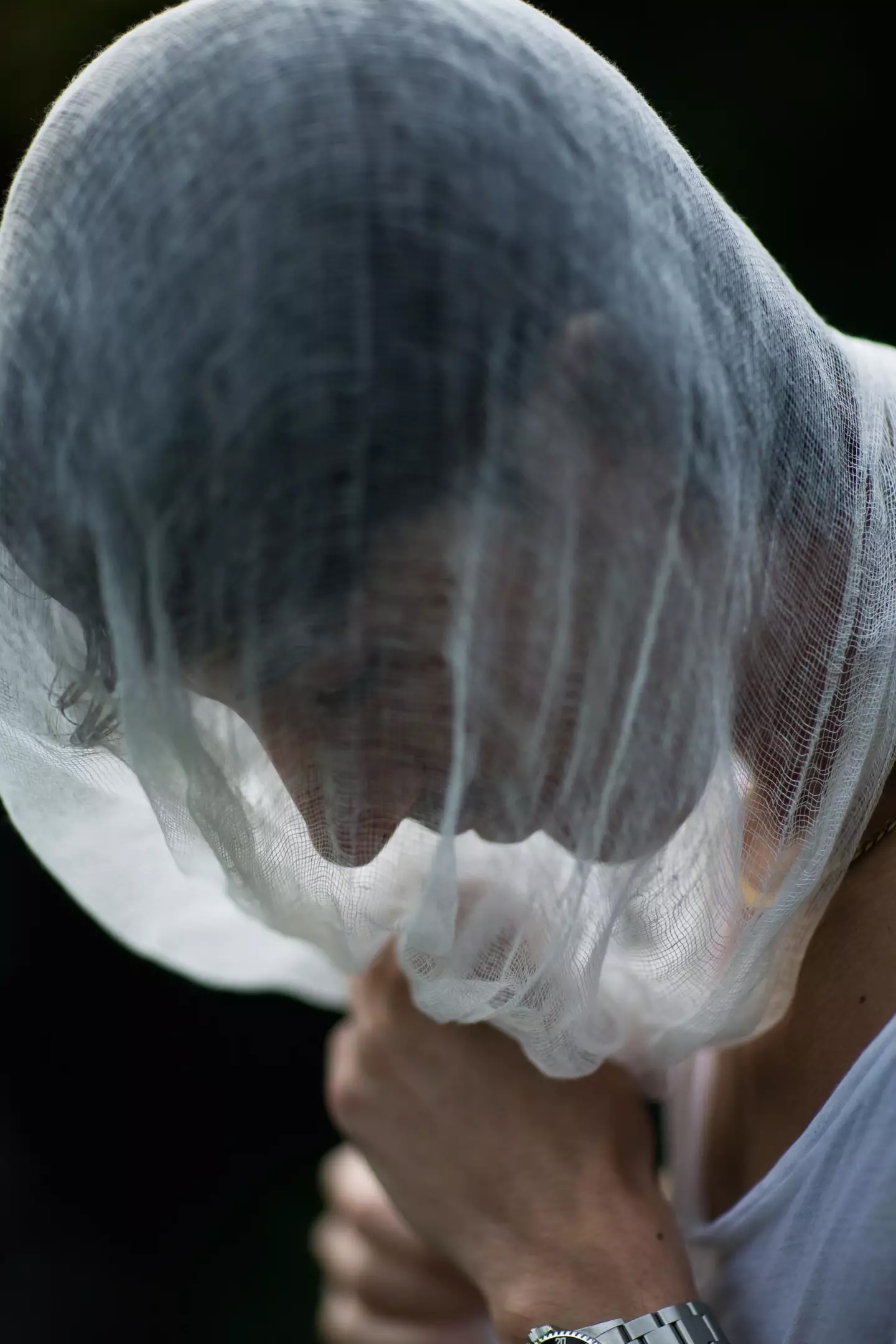

The Setup
October 2015. BBC Radio 1 announces that Zomby, the legendary UK electronic producer known for his experimental club bangers and grime-influenced productions, is doing a guest mix on Benji B's show.
The introduction was fire – they were spinning Zomby's "With Love" and trap-influenced tracks. Everyone expected experimental club chaos, radio-friendly heaters, unreleased IDs, the usual Zomby arsenal.
The Twist
Pure vaporwave.
For 32 minutes straight, Zomby played nothing but dreamy, atmospheric vaporwave tracks from Dream Catalogue. No club bangers. No grime. No experimental bass. Just 日本語 titles, mall jazz, and slowed-down ambience.
The vaporwave community went wild. People expecting club music stared at their radios. Peak Zomby – complete self-sabotage on one of the UK's biggest radio platforms. And it was hilarious.
Tracklist
- 00:00 Psychic LCD - Pipeline 4G
- 02:50 2814 - 新しい日の誕生 (Birth of a New Day)
- 06:12 2814 - 我愛你 (I Love You)
- 09:55 Hong Kong Express - Midnight Market
- 12:08 Infinity Frequencies - Void
- 12:54 Hong Kong Express - Girl At The Bar
- 14:15 18 Carat Affair - Fashion
- 16:15 18 Carat Affair - 4th Dynasty Pharaohs
- 16:59 Telepath - ファンタジー
- 20:15 Hong Kong Express - HK 2046
- 22:52 Infinity Frequencies - No One
- 23:10 Hong Kong Express - Romance And The City
- 24:46 Hong Kong Express - 醉
- 25:49 Screaming Banshee Aircrew - High Let Me Fly (Zomby Remix)
- 26:33 Rezzett - Zootie
Understanding Zomby: The Chaos Agent
A History of Self-Sabotage
This wasn't an anomaly – it was perfectly on-brand. Zomby has built a reputation as one of electronic music's most talented yet self-destructive artists. An anarchist in the truest sense, burning bridges wherever he goes.
The Infamous Incidents
The Hudson Mohawke Punch: Zomby physically assaulted fellow producer Hudson Mohawke at a club. It became legendary in electronic music circles as one of the most bizarre producer beefs ever.
Online Warfare: Zomby regularly insulted people on social media, picking fights with fans, journalists, and fellow producers. His Twitter was constant drama before deletion.
"The Melon": He famously called music critic Anthony Fantano "melon" – a nickname that stuck in internet culture. This wasn't banter; Zomby had genuine beef with Fantano's reviews.
The Natalia's Song Controversy: Zomby allegedly stole the track "Natalia's Song" – cementing his reputation as someone who operated outside industry norms and ethics.
The Anarchist Artist
What makes Zomby fascinating is that he's genuinely talented. His productions like "With Love," his work on 4AD Records, and his contributions to grime and dubstep are legitimately groundbreaking. But he seems compelled to undermine his own success.
Playing vaporwave on BBC Radio 1 when you're known for club music? That's not just trolling – that's performance art. A middle finger to expectations, to the industry, to the idea that artists should play it safe for mainstream radio.
The Legacy
This mix is legendary for all the right reasons. It introduced vaporwave to a massive mainstream audience on one of the world's biggest radio stations. Dream Catalogue artists got unprecedented exposure. And Zomby proved once again that he'd rather be interesting than successful.
The mix lives on as a YouTube legend, with thousands of views and comments from people who either discovered vaporwave through it or still laugh at the audacity.